
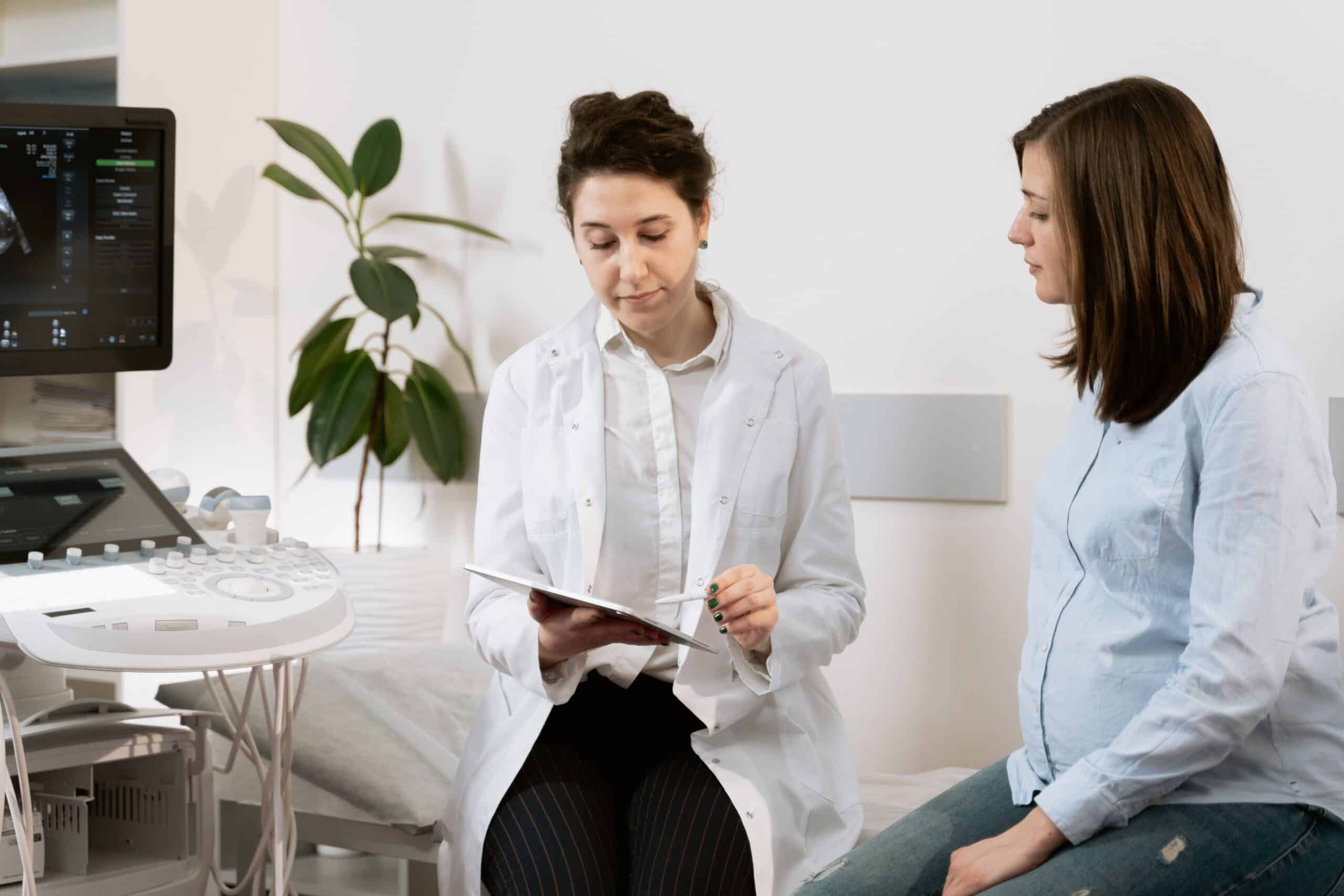
A gynaecologist consultation in South Africa runs around R700 at published private practice rates, a self-pay Pap smear around R280, and a screening mammogram from roughly R1 200. Surgery changes the shape of the number entirely, with one practice quoting around R100 000 for a hysterectomy including theatre time and hospital fees. Your medical aid will carry most of the in-hospital side up to its own tariff, and often almost none of the rooms visit that started the process.
No South African law caps what a specialist may charge. Two gynaecologists working in the same hospital can bill differently for the same twenty minutes, and neither is doing anything irregular. That single fact explains most of what follows.
Why No Two Practices Charge the Same
Medical schemes publish a scheme tariff, sometimes called the medical scheme rate, and pay claims against it. Specialists set their own fees independently of that rate, and many bill at 200% or 300% of it. The difference lands on you as a shortfall, and it is entirely legal.
Practice structure moves the number too. Some Gauteng and Western Cape gynaecologists bundle a sonar into every consultation, so the headline fee looks higher while covering more. Others charge the consult and the scan separately, which reads cheaper until the account arrives.
Location and hospital association do the rest. A practice with rooms inside a private hospital in Sandton or Claremont carries overheads that a suburban solo practice in Bloemfontein does not, and the fee schedule reflects it.
Gynaecologist Prices in South Africa, Item by Item
Gynaecologist prices are best understood as three separate cost layers rather than one number. The rooms consultation comes first, screening and pathology second, then hospital procedures, where the figures jump by two orders of magnitude. Published 2026 rates from South African practices give a workable baseline.
| Service | Published 2026 rate |
|---|---|
| Gynaecologist consultation | Around R700 per person |
| Pap smear, self-pay liquid-based cytology | Around R280 |
| HPV test, self-pay | Around R1 100 |
| Screening mammogram | From R1 200 |
| Minor gynae procedure, all inclusive | Around R35 000 |
| Major gynae surgery, all inclusive | Around R100 000 |
Based on industry averages. Actual rates may vary depending on provider and other factors.
Treat these as anchors rather than quotes for your own practice. The all-inclusive surgical figures cover every practitioner involved, along with theatre time and the hospital account, which is why they sit so far above a consultation fee.
How much does a Pap smear cost in South Africa?
Around R280 as a self-pay laboratory fee for liquid-based cytology, based on published 2026 rates. That figure covers the laboratory work alone. The consultation during which the sample is taken is billed separately, so the real cost of a routine screening visit sits closer to R1 000 once the two are added together. An HPV test, where your doctor orders one alongside, runs to roughly R1 100 self-pay.
What Your Medical Aid Actually Pays
Your scheme splits your benefits in two, and the split matters more than the plan name. Hospital and major medical benefits carry authorised in-hospital procedures at scheme tariff. Day-to-day or savings benefits carry your room’s visits, and those run out.
Cervical cancer screening and certain gynaecological conditions generally fall under Prescribed Minimum Benefits, which schemes are legally obliged to cover. The obligation covers diagnosis and treatment for a defined list of conditions, though schemes routinely apply designated service provider rules and may impose a co-payment where you use a provider outside their network.
Two costs sit outside all of that. Co-payments deducted for specific authorised procedures come off your own pocket regardless of plan level, and sub-limits cap what a scheme will pay toward scans or prostheses inside an approved admission. Both are separate from the tariff shortfall, and both catch members who assumed comprehensive cover meant complete cover.
Can I go to a gynaecologist without a referral?
In South Africa, yes. Gynaecologists accept direct bookings and no GP referral is legally required to see one. Some schemes structure their benefits to favour a GP-first route on network plans, so check your specific option before booking, because the referral question is about what your scheme will pay rather than whether the practice will see you.
The Visit Your Cover Probably Will Not Touch
A routine annual gynae check is a day-to-day expense on almost every plan, which means it comes off your savings or your out-of-hospital benefit. Once that pot is empty, usually somewhere in the second half of the year, the full R700 consultation is yours. Gap cover does not change this, and any provider telling you otherwise is misrepresenting the product. The only exception is if the shortfall is related to a consultation related to an upcoming procedure, or the follow-up consultation after childbirth.
This matters because the room’s visit is where most women’s healthcare actually happens. Screening and contraception management sit outside of the in-hospital payment categories, as does perimenopausal symptom review. Budgeting for two self-funded gynae visits a year is more realistic than assuming your scheme will carry them.
When should I see a gynaecologist?
South African clinicians generally advise a routine gynaecological check annually, with cervical screening intervals depending on your age and previous results. Any new symptom warrants an appointment rather than a wait for the annual slot. Your own doctor should set the interval that fits your history, since screening guidance shifts with age and risk factors.
Where the Real Money Sits
A hysterectomy quoted at around R100 000 all inclusive is not a bill your scheme refuses. It authorises the admission and pays at scheme tariff, and the surgeon and the anaesthetist each bill against their own fee schedule, as does the surgical assistant. Where those schedules sit at 300% of tariff and your plan pays 100%, the outstanding balance runs into tens of thousands of rand.
Robotic and laparoscopic surgery adds a second layer. Schemes often negotiate a single global fee with providers for robotic procedures using the Da Vinci system, and providers regularly bill above that agreed figure, leaving an excess attached to no tariff rule at all. Consumables and laparoscopic equipment carry their own shortfalls inside the same admission.
Minor procedures follow the same pattern at a smaller scale. A hysteroscopy or an endometrial ablation quoted at roughly R35 000 all inclusive still often generates a tariff shortfall and a possible co-payment, with a scan sub-limit on top. Three separate deductions from one afternoon in theatre.
Where Gap Cover Fits, and Where It Does Not
Gap cover pays the difference between scheme tariff and provider charges on authorised in-hospital procedures. TRA’s Basic Cover 300 covers tariff shortfalls to 300% of the original scheme rate, and the other three plans all reach 700%, which is where specialist billing on gynaecological surgery generally sits. Cover for the shortfall on theatre and ward fees, along with consumables and laparoscopic equipment, ranges from R525 to R5 250 per policy per annum depending on plan level.
The consultation benefit is narrower than most people expect, and worth stating precisely. TRA covers the shortfall on a specialist consultation in the rooms before an in-hospital procedure, capped at R500 per consultation, from one consult per policy per annum on Basic Cover 300 to four on Absolute Cover Plus. Your routine annual visit is not covered by that benefit, because it is not attached to an admission.
Timing governs everything. Gynaecological conditions such as a hysterectomy sit inside TRA’s 10-month condition-specific waiting period, counted from your join date, though there is no general three-month waiting period on any TRA policy. Cover taken out the month before surgery will not pay for that surgery, and premiums start from R99 per month, which makes early cover a cheaper decision than a late one. Obstetric costs run on the same 10-month clock and are covered in TRA’s pregnancy guide.
Working Out Your Own Exposure
Pull your scheme’s benefit schedule and find two numbers: the percentage of scheme tariff your plan pays in hospital, and your remaining day-to-day balance. The first tells you the size of your surgical shortfall risk. The second tells you how many more gynae consultations you can book before you are paying cash.
Speak to your intermediary/broker about which plan level closes the first gap, or read the full benefit breakdown on the gap cover page.